You are Human.
But what does that mean on a world where ageless Elves guide the course of history? So similar you could be cousins, yet so different. Your lifespan is but the blink of an eye for their kind and you spend a third of it unconscious. But the things you see there in those liminal spaces, they couldn’t possibly understand. To dream is Human, for better or worse. Your dreams could save Alteria, or they could tear it apart. The stars are fading one by one. The dream is ending. Wake up, Human…
The Project
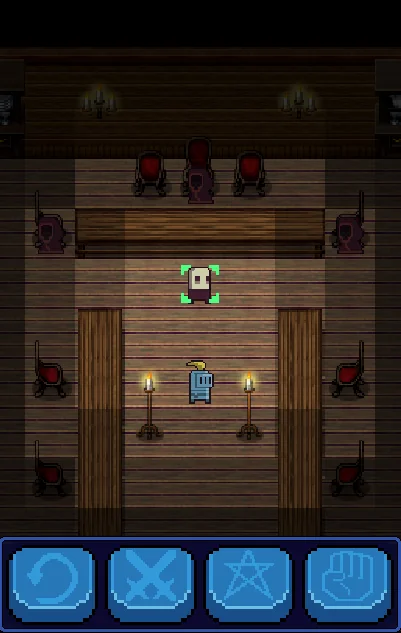
Dark Ocean is a grid-based, turn-based roguelite being developed in Unity (currently 6 months into prototype phase). It’s a dungeon-crawler at heart that puts you on a journey and then asks you why you’re there. The game is a casual, mobile tactics adventure, on a cosmic-fantasy planet at the end of time. As heat-death approaches, only 5 stars are left in the night sky. Your character is a Human on the tidally locked planet of Alteria, where Elves are the dominant species and your kind arrived only 30,000 years ago. You begin in the Nightlands, a Human-settled region steeped in perpetual night, as you work your way toward the light. Your destination: Cambria, the monolithic Elven capital. The choices you make along the way will help to fill in your story, explaining who you are and the purpose of your journey.
 Narrative Systems
MY ROLES:
- Story Concept
- Narrative Design
- Game Design
- Level Design
- Production
INSPIRATION:
- Darkest Dungeon
- Divinity Original Sin
- Darkwood
- Fear and Hunger
- D&D (5e)
Cabin Dream Demo
Coming soon…
Design
NARRATIVE STRUCTURE
Dark Ocean is designed to be a casual dungeon crawler with an emergent story. It’s a roguelite because of that focus on progression, building up your character over multiple play sessions. It uses Dreams to fill in details of your past and Divining Cards to hint at your future. The 2 work in tandem to govern player progression and self-discovery. Along the way, those aspects of your character will come into play in the narrative, allowing you to develop them further.
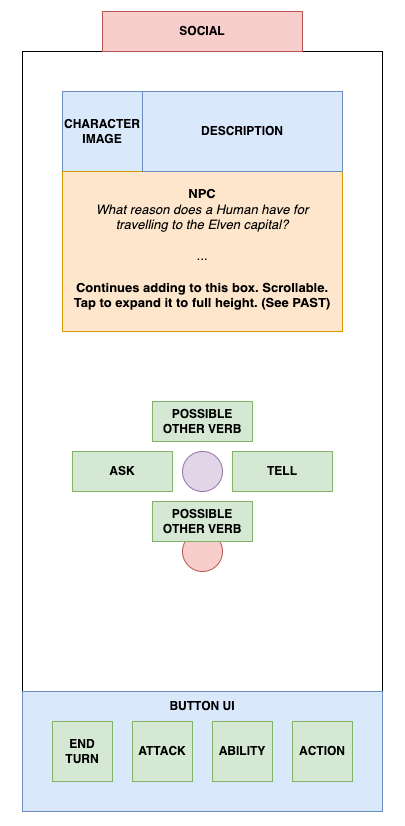
There are 2 forms of Non-Combat Encounters (NCEs): Social and Environmental. They share some similarities, but a typical Social Encounter begins when you tap on an NPC. Buttons appear around them, usually at least 2: Ask and Tell. Much of the dialog just follows this flow, choosing at random to progress until no options are left. Each option chosen is recorded into your conversation, inscribing a transcript of your conversation, for later reference. Occasionally NPCs may present other possible verbs. These options are a bit more intentional like Steal, Lie, Threaten, Give or Knock Out. Branching options may present themselves on occasion, but these are less frequent and more impactful.
Overall, the structure is intended to make things easy enough for a casual player to experience the story at whatever level they want. They can read and dive into the lore, or they can tap buttons until something catches their eye. All playstyles are welcome.
Case StudyGAME SYSTEMS
Dark Ocean uses its grid and turn-based systems to create strategic scenarios, allowing players to approach situations with a wide range of solutions. Managing items, areas of effect, lighting levels, and environmental effects, the player can puzzle their way through each encounter based around their build and abilities. Weapon damage is consistent but hit-chance is not, plus a system of resistances and vulnerabilities forces players to change their strategy at times; blunt, slashing and piercing function almost as a game of rock-paper-scissors that can often tip the balance of combat. Abilities provide area-of-effect damage and crowd control, plus lingering effects on grid cells can change the shape of a battle. Action economy in combat also allows for a wide range of tactics, with Move, Attack, Ability and Action available each turn. Success will depend on your clever use of each.
While not in combat, exploration is designed to be frictionless and smooth. Turns increment automatically as you move along your path, shining light into the darkness and discovering the hidden truth behind this strange world. Environmental encounters appear (or don’t) based on your class and attributes, tailoring the level to your character. You progress at your own pace. Work your way through each level, or rest instead to enter a Dream, where your skills can be put to the test in a roguelike run. When you die, you simply wake up, unlike the waking world, where death is the end.
Case StudyGAMEPLAY SAMPLE
LEVEL DESIGN
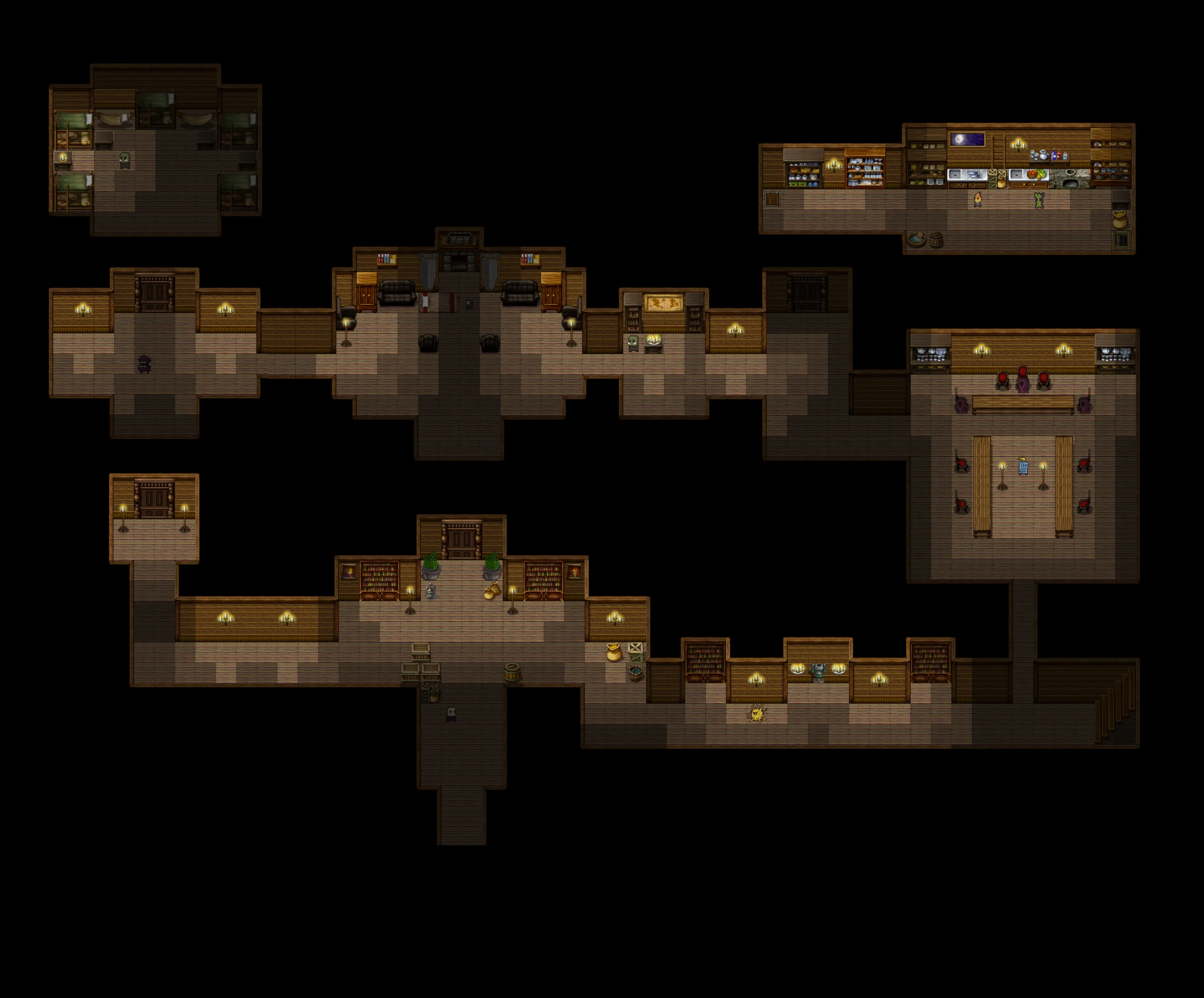
A couple levels have been mapped out to create a certain narrative pacing. One of the levels is a Dream run, designed to demonstrate the basic dream structure. It is planned out with areas to encounter each of the Archetypes, some Environmental Encounters, and a demon that helps drive the action. The tilemap was designed in Tiled and implemented in-game using the SuperTiled2Unity plugin.
The other level is a location for a story segment about half-way through your journey. Perched on perilous cliffs overlooking the furious ocean, Tidefall Castle is the home of Count Beaumont, one of the Elven stewards that the surrounding region rely on for safety. Due to an alignment of moons, a great tidal wave is coming soon. All those in the region are invited to shelter the storm in the castle. Looks like you won’t be going anywhere for a bit.
Case StudyWorld Building
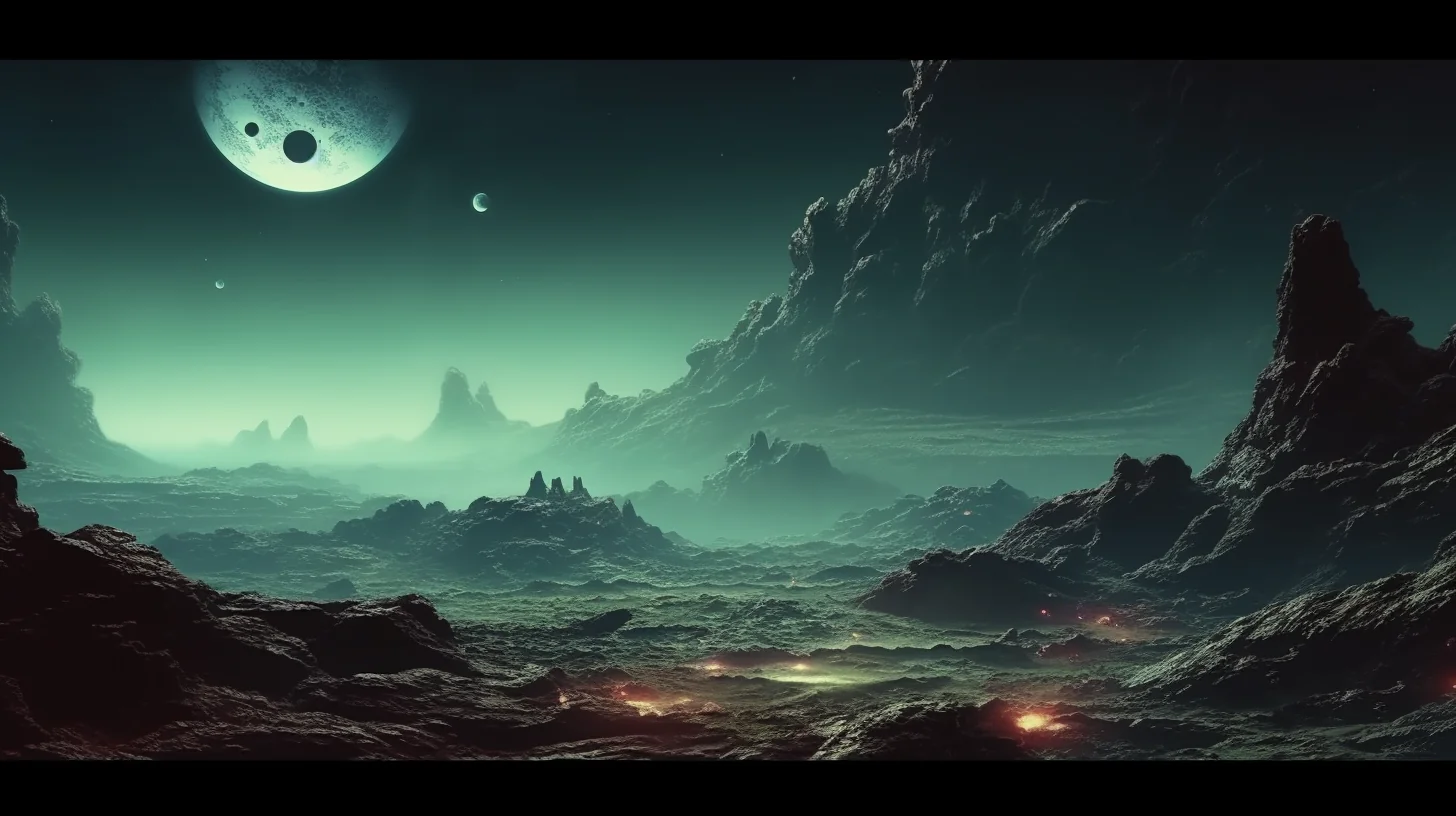
Alteria is a setting that straddles the line between fantasy and sci-fi. I would define it as “cosmic fantasy”, borrowing tropes of the fantasy genre but reinterpreting them through the lens of cosmic horror. Humans are small and out of place against the enormity of the astronomical forces that only the Elves seem to understand. The minds of their immortal Elven stewards are unknowable to the short-lived race, which can make trust difficult.
Humans, with their “dreams”, are equally perplexing to even the oldest of Elven scholars. Elves do not sleep, do not dream, do not eat, nor reproduce. They begin life as clones, birthed from the same Divine Seed and able to shape their own evolution. The very idea of gender only arose since the arrival of Humans, 30,000 years ago, but some now embrace it. Some Elves go on to become gods, presiding over one of the 5 great Houses of Arcana. There is no limit to what an Elf can achieve, given enough time, although time itself seems to be running out, slipping into the void. For all their similarities, Elves and Humans are worlds apart. Yet the two have struck a tenuous balance, allowing Humans to prosper and build a world that resembles something familiar in this alien landscape.
Case Study